What Is Miao Embroidery?
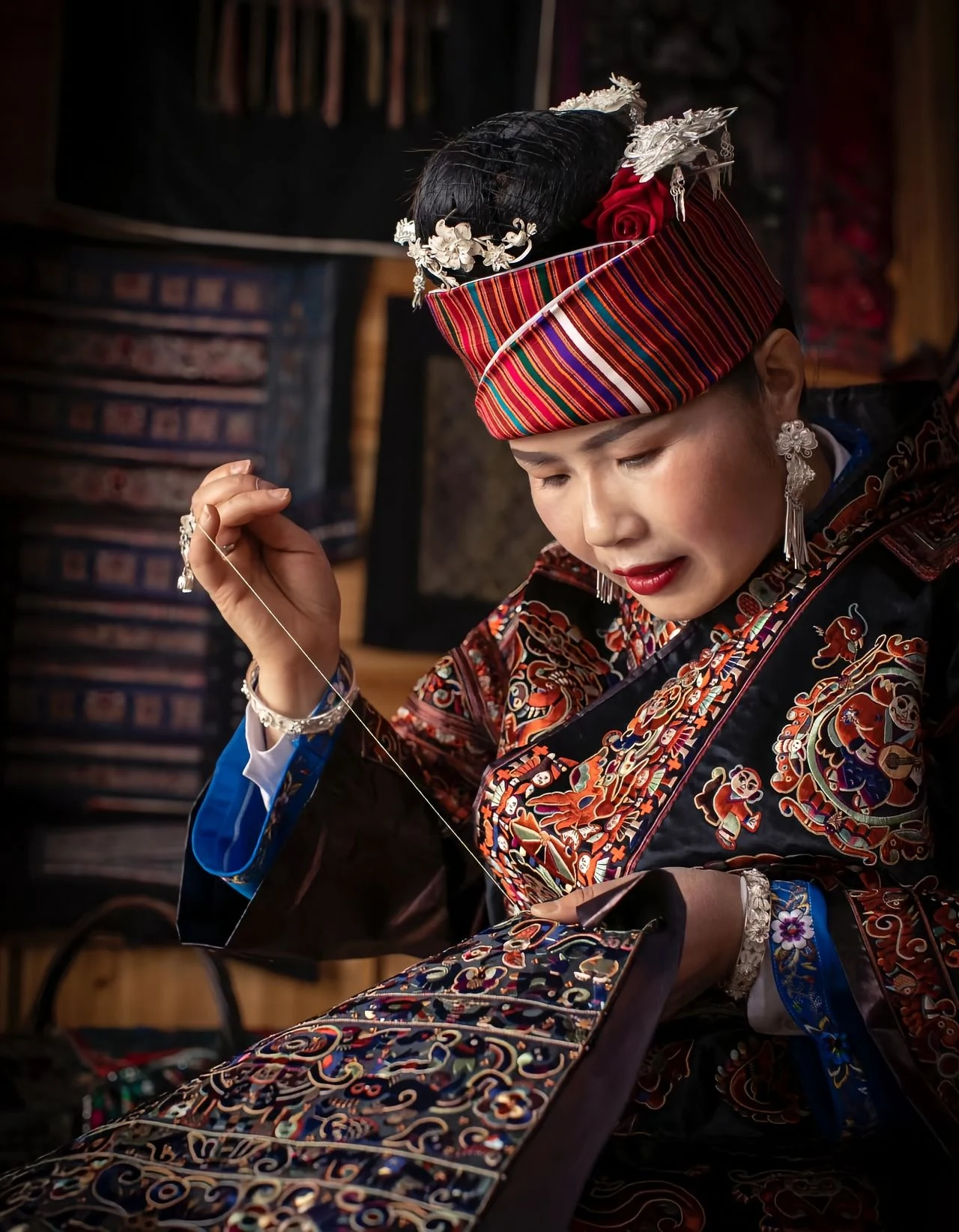
Miao embroidery is not simply decoration. It is a way of recording memory with thread.
For generations, Miao women in southwest China have used needlework to decorate clothing, festival garments, wedding pieces and everyday textiles. Each stitch carries more than color and pattern. It can express family memory, regional identity, nature worship, migration stories, blessings and personal skill.
At AETHNO, we see Miao embroidery as a living craft rather than a distant museum object. The pieces we share are connected to the hands, patience and cultural imagination behind them.
A Textile Language Passed Through Generations
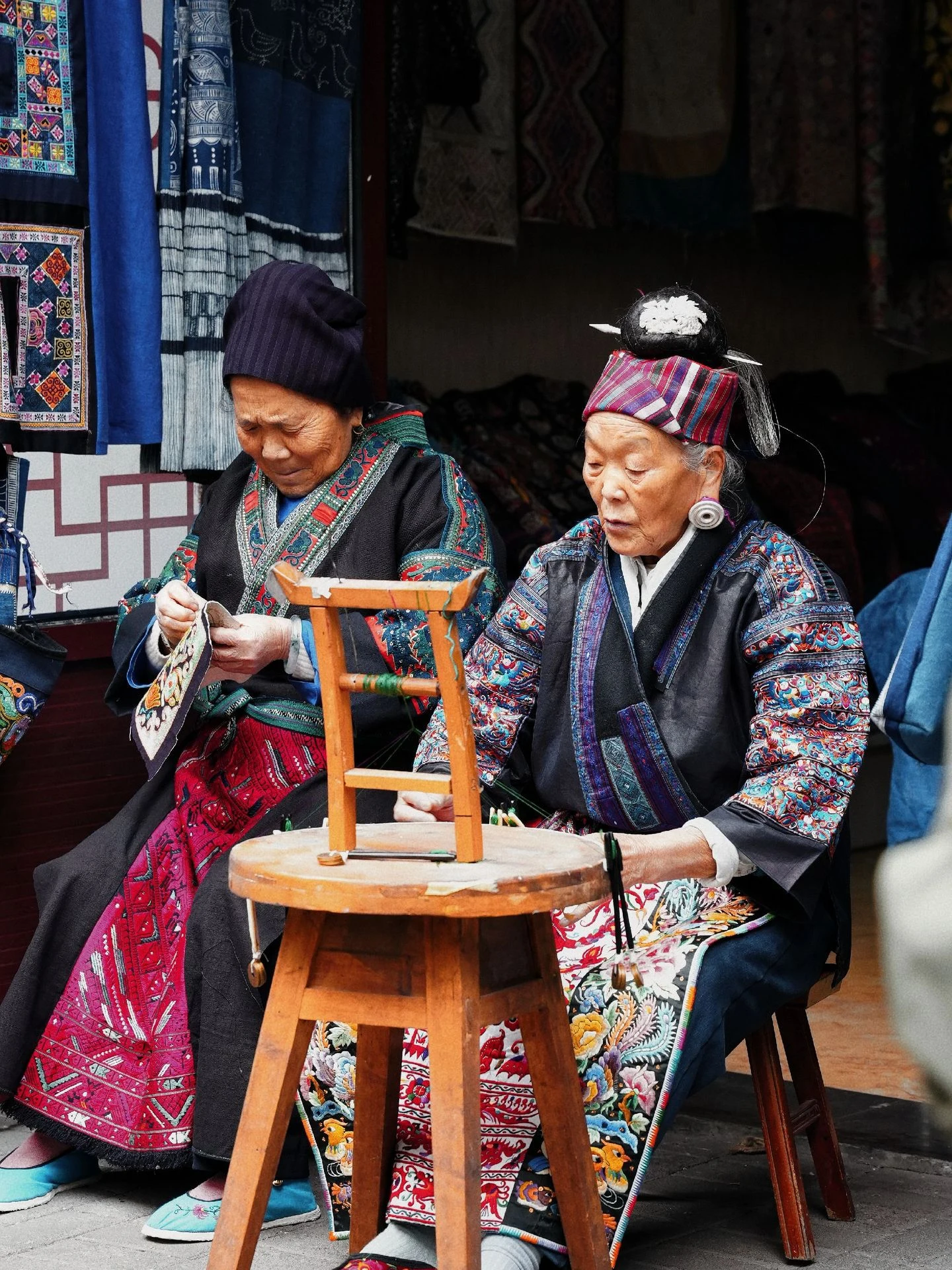
Miao embroidery developed in communities where textile work was closely tied to daily life, festivals and family traditions. Before written records were widely used in many communities, clothing and patterns became one way to preserve cultural memory.
This is why Miao embroidery is often described as a form of “history worn on the body.” A garment can show where a person is from, what community they belong to, what ceremonies they attend and what kind of craft knowledge has been passed down through their family.
The embroidery is not uniform. Different Miao communities have different clothing styles, color palettes, motifs and stitching methods. Some areas are known for dense, highly detailed embroidery. Others are recognized for geometric layouts, bold color contrast, layered applique, silver decoration or fine counted-thread work.
This diversity is part of what makes Miao embroidery so powerful. It is not one fixed style. It is a large living tradition made of many regional voices.
How Miao Embroidery Is Made
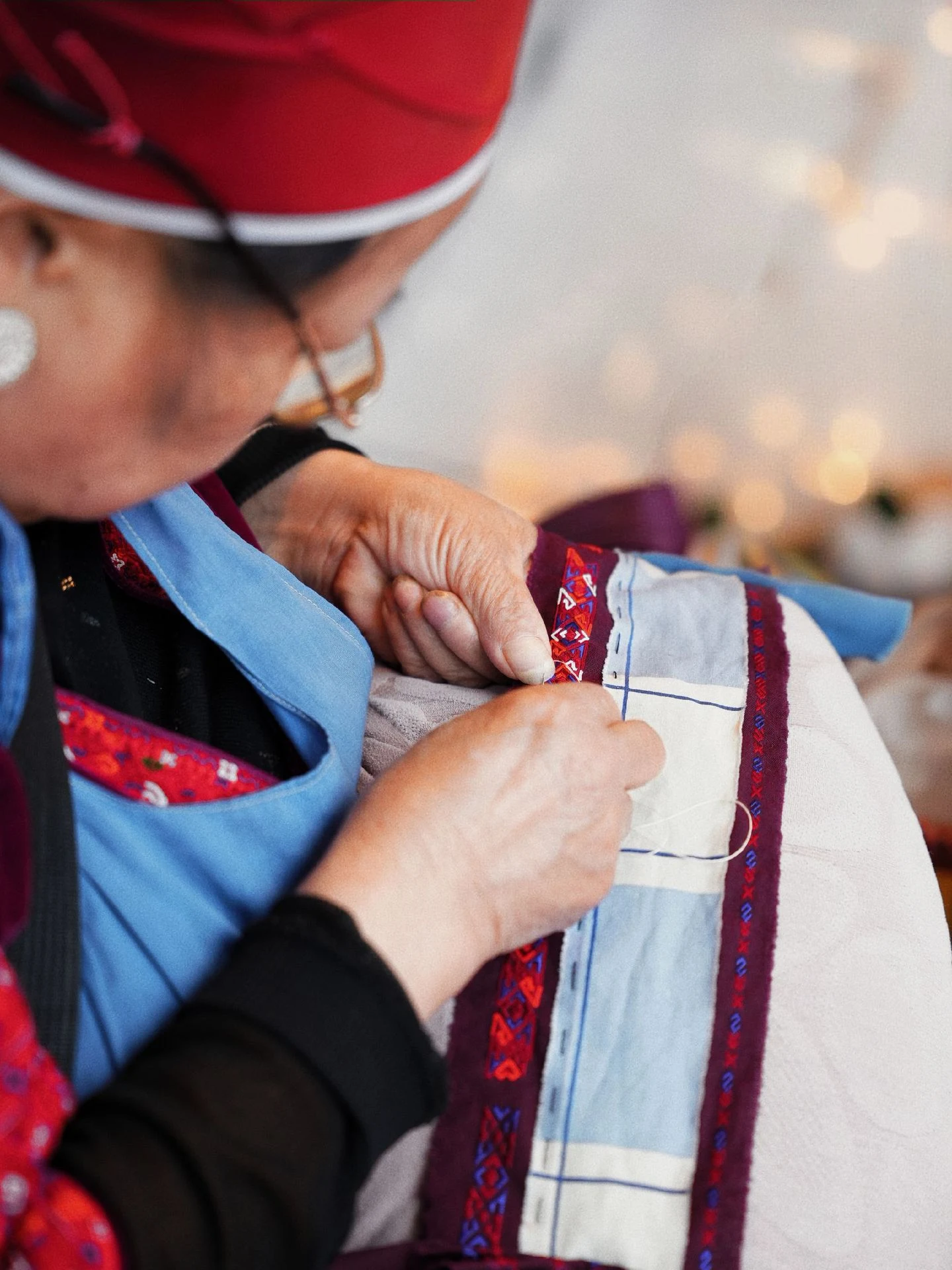
Miao embroidery begins with time.
A maker first prepares the fabric, thread and pattern. Some designs are drawn or transferred before stitching begins. Others come from memory, habit and experience. The work then moves slowly through the hands: thread by thread, line by line, layer by layer.
Depending on the region and the piece, Miao embroidery may include many techniques, such as flat stitch, seed stitch, braid stitch, counted-thread stitch, applique, layered embroidery, lock stitch, broken-thread embroidery, horsetail embroidery and other local methods.
Some stitches create smooth color surfaces. Some build raised texture. Some outline the pattern. Some fill large areas with rhythm and repetition. Some are so fine that the beauty only becomes clear when viewed closely.
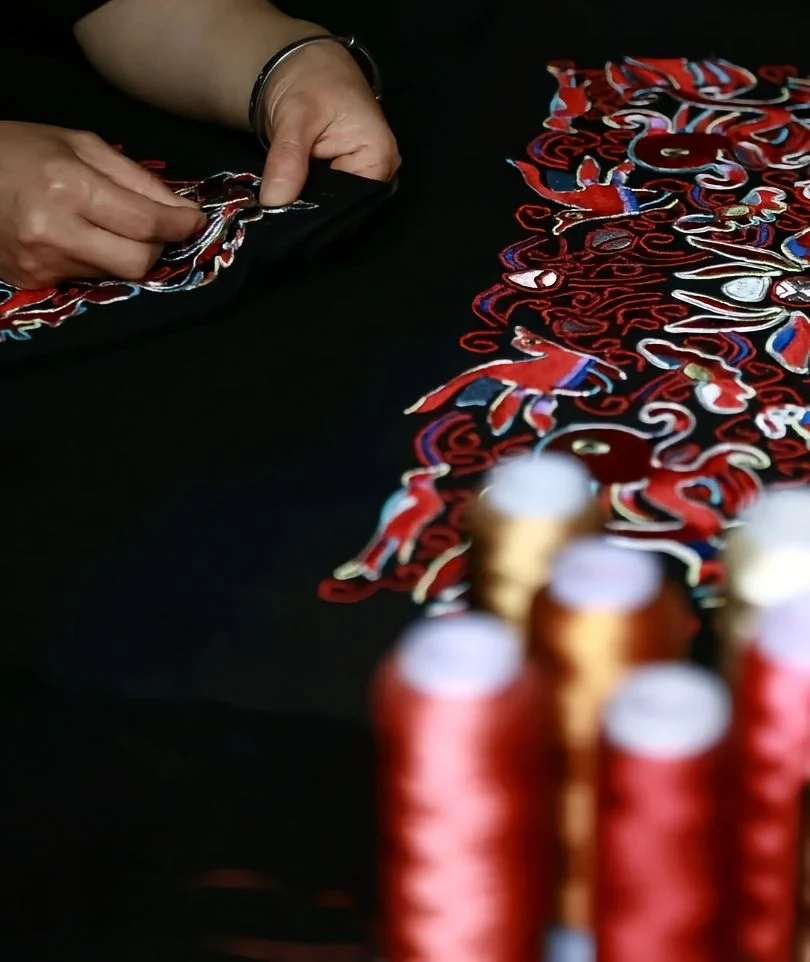
This is one reason handmade embroidery cannot be understood only through a product photo. A single small section may contain hours of labor. A complete garment or textile panel may require weeks, months or even years, depending on its scale and complexity.
In Miao embroidery, time is not hidden. It becomes visible.
Common Motifs in Miao Embroidery
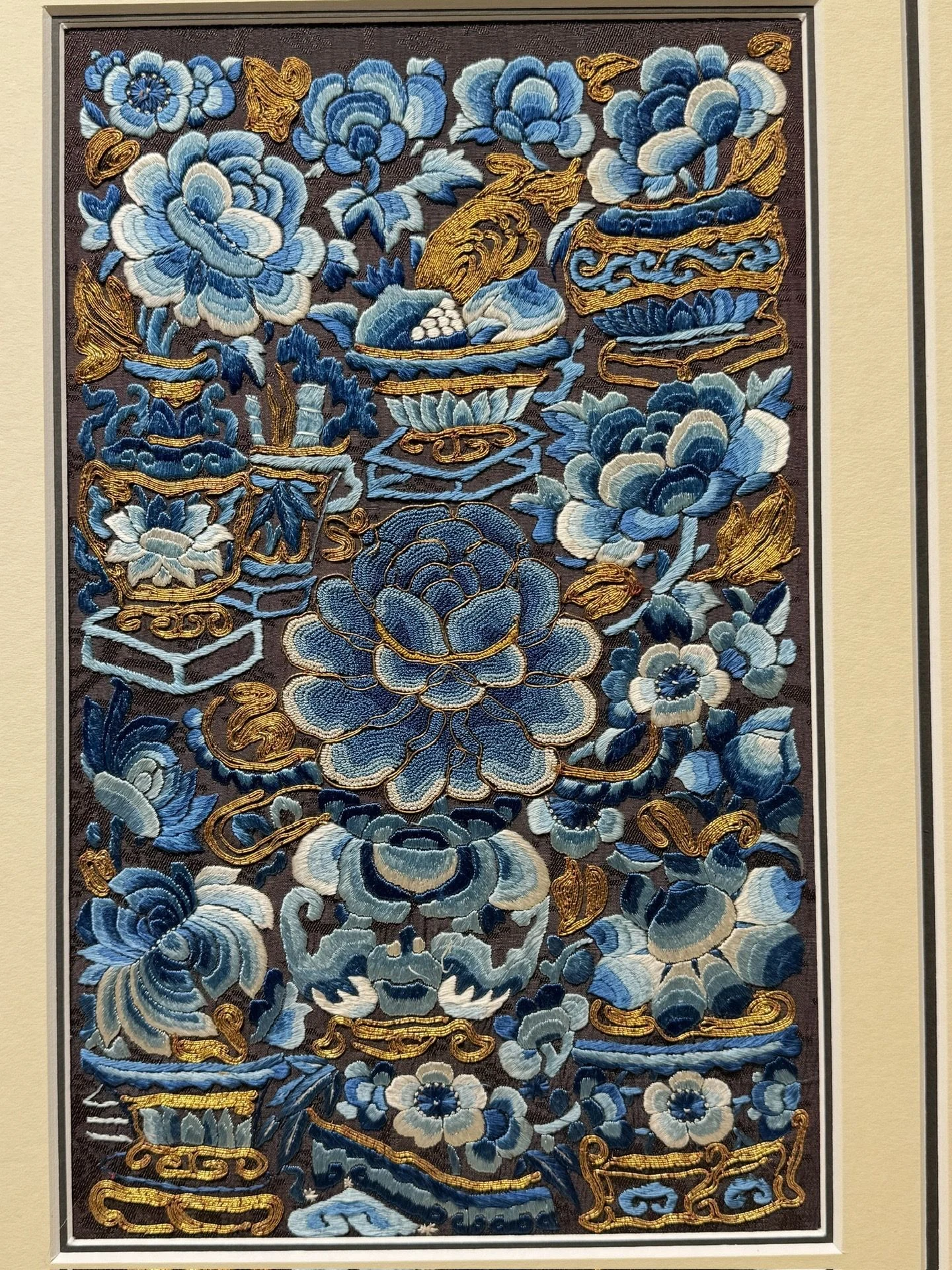
Miao embroidery is rich in symbols. Common motifs include butterflies, birds, fish, flowers, dragons, spirals and geometric patterns. These images are not only decorative. They often reflect ideas connected to nature, protection, fertility, memory, family and blessing.
The butterfly is one of the most recognizable motifs in many Miao visual traditions. Birds and flowers often bring movement and vitality to the design. Fish and water-related forms may suggest life, abundance or continuity. Geometric patterns can create order, rhythm and balance.
However, motif meanings can vary by region and context. A pattern should not be reduced to one simple translation. The same image may carry different layers of meaning depending on the community, the garment and the occasion.
This is why we approach Miao embroidery with care. Each piece deserves to be seen as both an artwork and a cultural object.
From Traditional Clothing to Modern Handmade Pieces
Historically, Miao embroidery appeared most prominently on clothing: sleeves, collars, aprons, waistbands, baby carriers, festival costumes and wedding garments. These textiles were not only beautiful. They also showed patience, skill and cultural belonging.
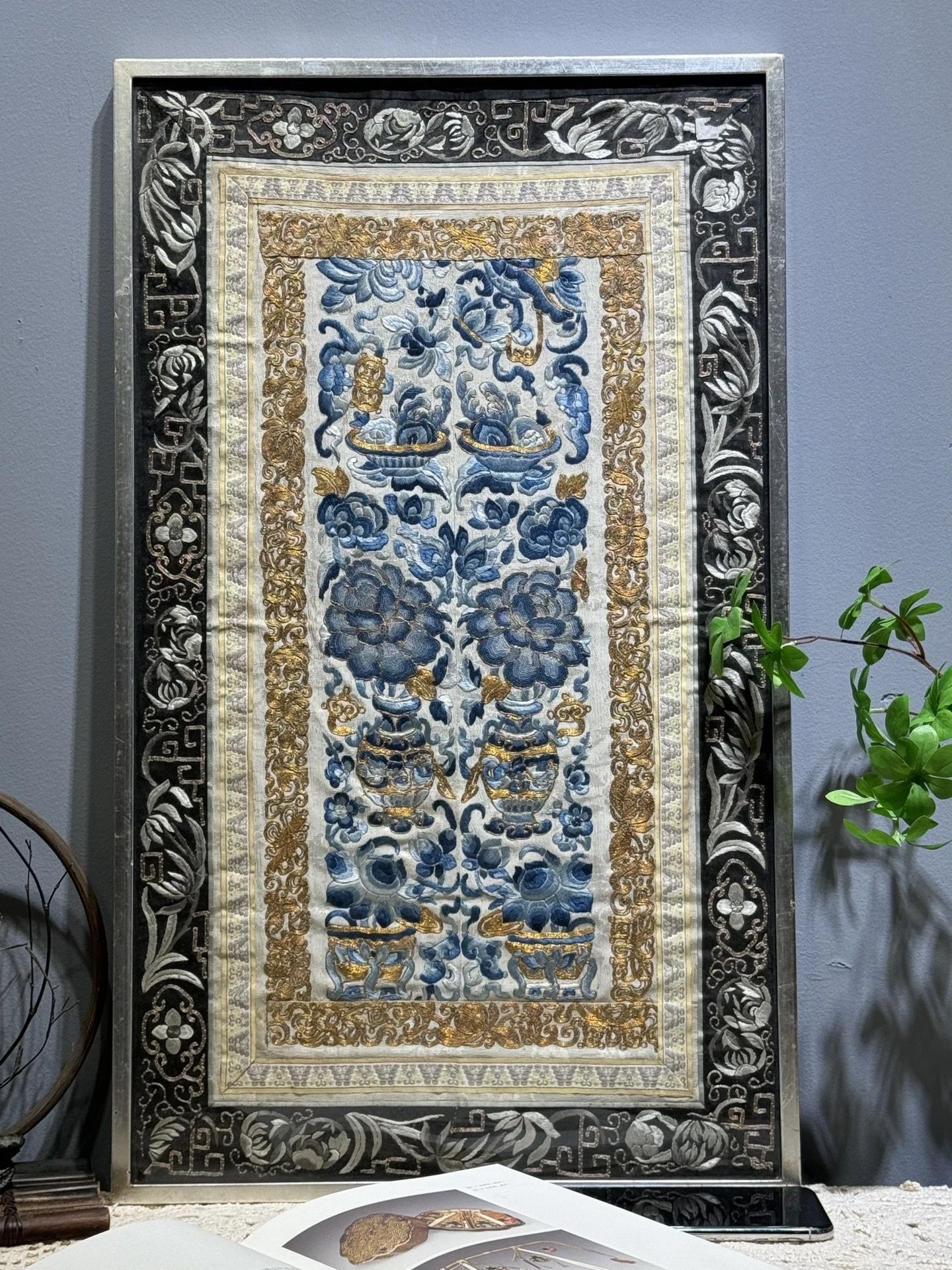
Today, Miao embroidery continues to live in traditional dress, but it also appears in new forms. Embroidered elements may be transformed into earrings, pendants, brooches, headbands, bags, framed textiles and home decor pieces.
This shift matters. It allows people who may never wear a full traditional garment to still connect with a small piece of the craft.
A handmade embroidered earring, for example, is not the same as a festival costume. But it can still carry the touch of handwork, the rhythm of the stitch and the visual language of Miao textile culture.
Why Handmade Miao Embroidery Feels Different
Machine-made decoration can copy the surface of a pattern. It can repeat color and shape. But it cannot fully reproduce the small irregularities of handwork.
In handmade embroidery, the stitch tension may vary slightly. The lines may show the maker’s hand. The texture may shift under light. The surface may feel alive because it was built slowly rather than printed instantly.
This is especially important for one-of-a-kind handmade pieces. Even when two designs look similar, they are never truly identical. Thread color, fabric texture, hand pressure and finishing details all create small differences.
For us, these differences are not flaws. They are part of the value of the piece.
How to Appreciate Miao Embroidery
When looking at Miao embroidery, try not to judge it only by color or pattern. Look closer.
Notice the density of the stitches. Notice how colors are layered. Notice whether the lines are smooth, raised, counted, braided or outlined. Notice how the motif sits inside the textile structure. Notice how the back, border and edges are finished.
A good piece of embroidery invites slow looking.
It is not only about what the pattern shows. It is also about how the pattern was made.
Bringing Miao Heritage Into Everyday Life
At AETHNO, our goal is not to turn heritage into mass decoration. We want to share handmade pieces that still respect the craft behind them.
Some pieces are bold and ceremonial in feeling. Others are smaller and easier to wear every day. A pair of embroidered earrings, a pendant, a headband or a framed textile can become a quiet way to carry cultural craftsmanship into modern life.
For customers outside China, Miao embroidery offers something different from ordinary fashion accessories. It is handmade, culturally rooted and full of visual meaning.
Each piece invites a simple question:
Who made it? What story does it carry? What does the stitch reveal when you look closer?
Explore Handmade Miao Embroidery
If you are drawn to textile art, symbolic patterns and slow handmade craftsmanship, Miao embroidery is a meaningful place to begin.
Explore our handmade Miao embroidery pieces and discover one-of-a-kind jewelry, accessories and textile works inspired by the living heritage of Guizhou.
Related Links
FAQ
Is Miao embroidery handmade?
Traditional Miao embroidery is made by hand using needle, thread, fabric and region-specific stitching methods. Some modern products may use machine embroidery, so it is important to check how each piece is made.
Why are Miao embroidery patterns so detailed?
Many patterns are connected to cultural memory, nature, family identity and regional aesthetics. The detail also reflects the maker’s skill, patience and experience.
Are all Miao embroidery styles the same?
No. Miao embroidery varies widely by region and community. Different areas may use different colors, motifs, garment structures and stitching techniques.
What motifs are common in Miao embroidery?
Common motifs include butterflies, birds, fish, flowers, dragons, spirals and geometric forms. Meanings can vary depending on region and context.
How should I care for handmade embroidered pieces?
Keep handmade embroidery away from water, perfume, heavy friction and long direct sunlight. Store it flat or separately when possible, and avoid pulling loose threads.
Shop AETHNO: All products | Women | Men | Kids | Hmong New Year 2026 | Wholesale